
When creating a product on IVO, the customer must be able to understand exactly what they will receive after placing the order.
A product listing should not represent several different possible products if the customer cannot choose which one they want.
This is especially important for products that are available in different:
- colours
- flavours
- aromas or scents
- designs
- patterns
- sizes
- models
- versions
- characters
- configurations
Descriptions such as “random colour”, “assorted design”, “random flavour” or “one version sent depending on availability” should not be used.
The customer should know what they are buying before placing the order, not only after receiving it.
Example 1: Glue sticks with different aromas
Imagine a product available with several fruit aromas, such as strawberry, pineapple, lime, grape, orange and watermelon.
If the customer is purchasing one glue stick, they must know which aroma they are ordering.
Not acceptedA single product listing shows several glue sticks with different fruit aromas, but the customer receives only one of them randomly. | AcceptedEach aroma is clearly identified and can be selected or purchased separately. | |
Fruit Aroma Glue Stick, 9 g – 1 piece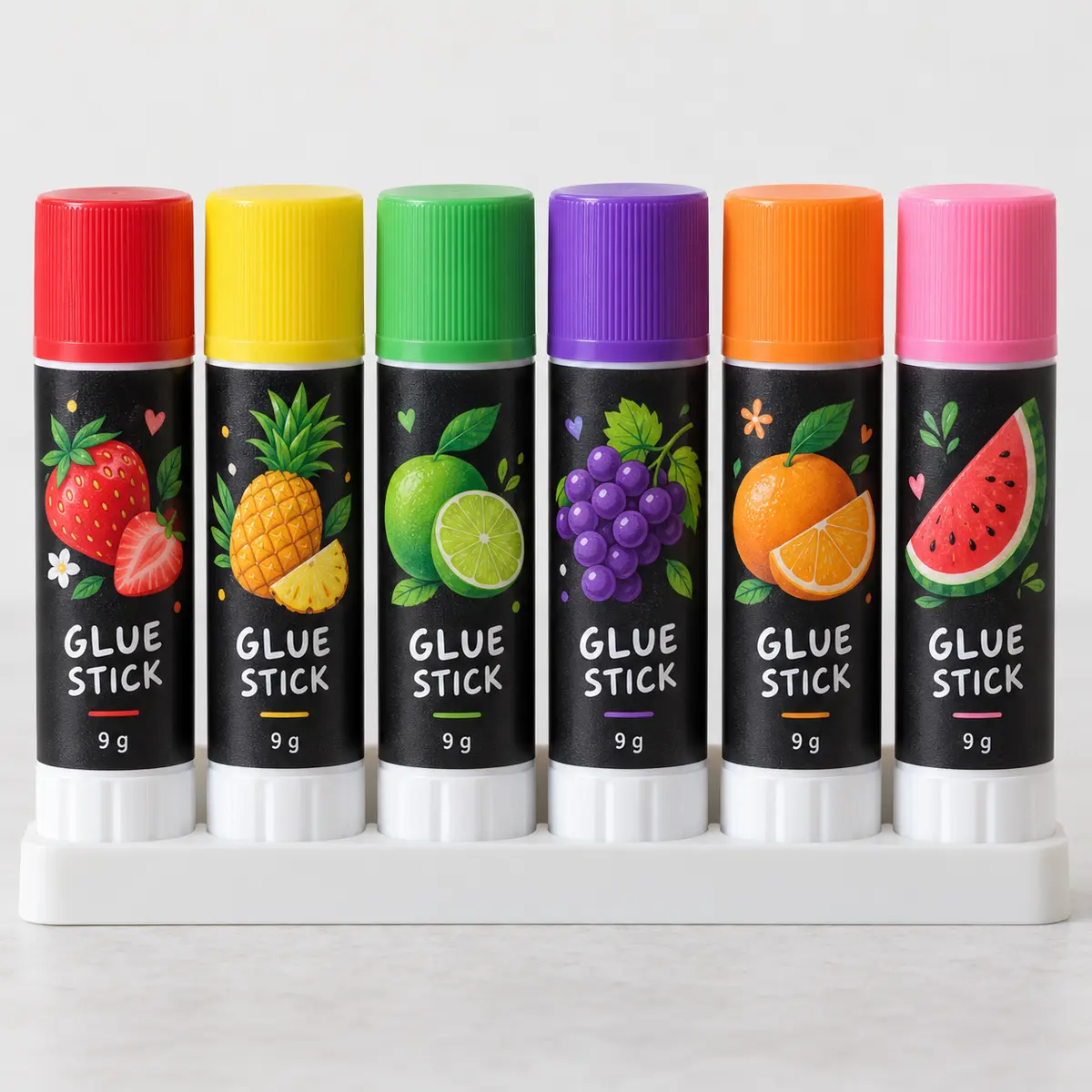 | Fruit Aroma Glue Stick – Strawberry, 9 g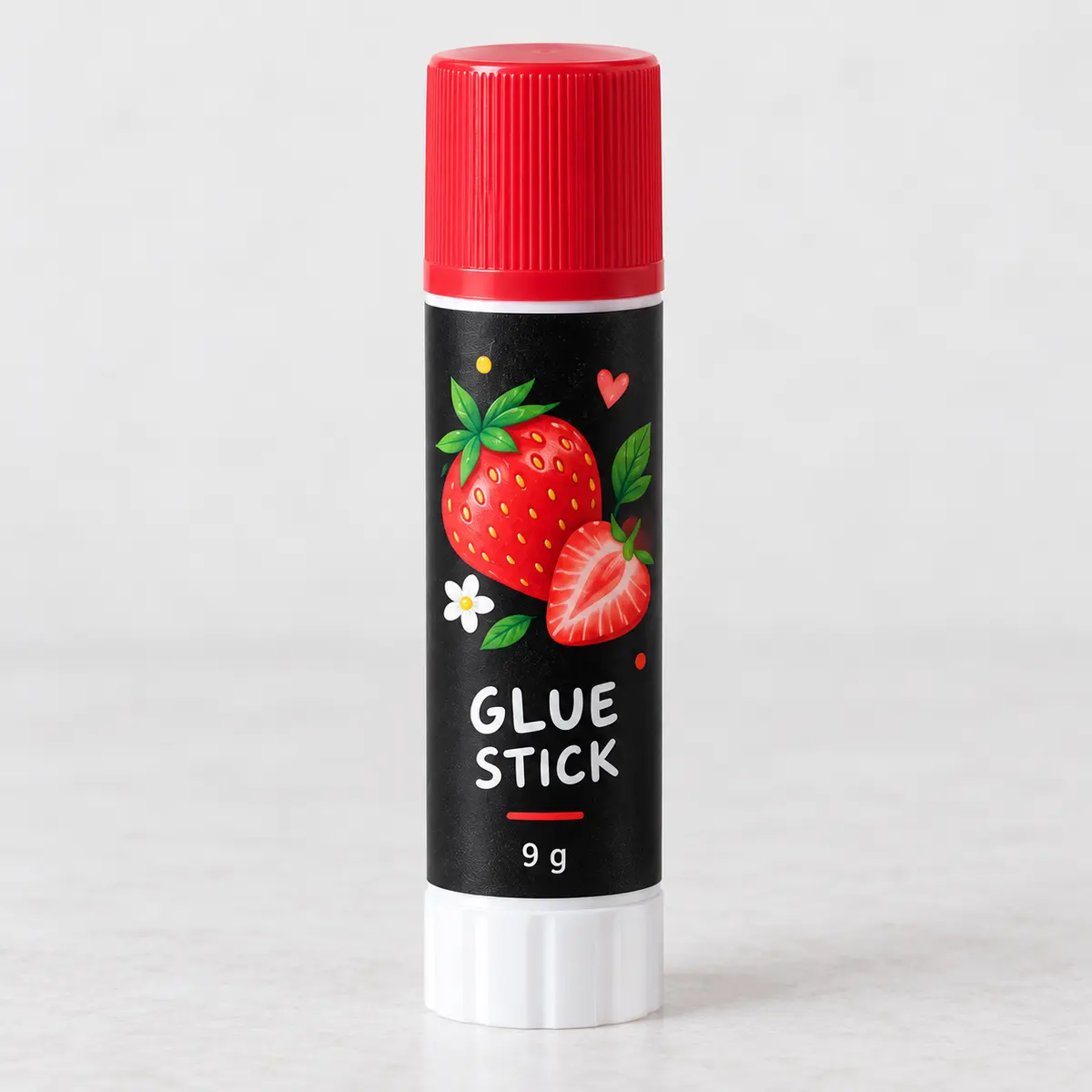 | Fruit Aroma Glue Stick – Pineapple, 9 g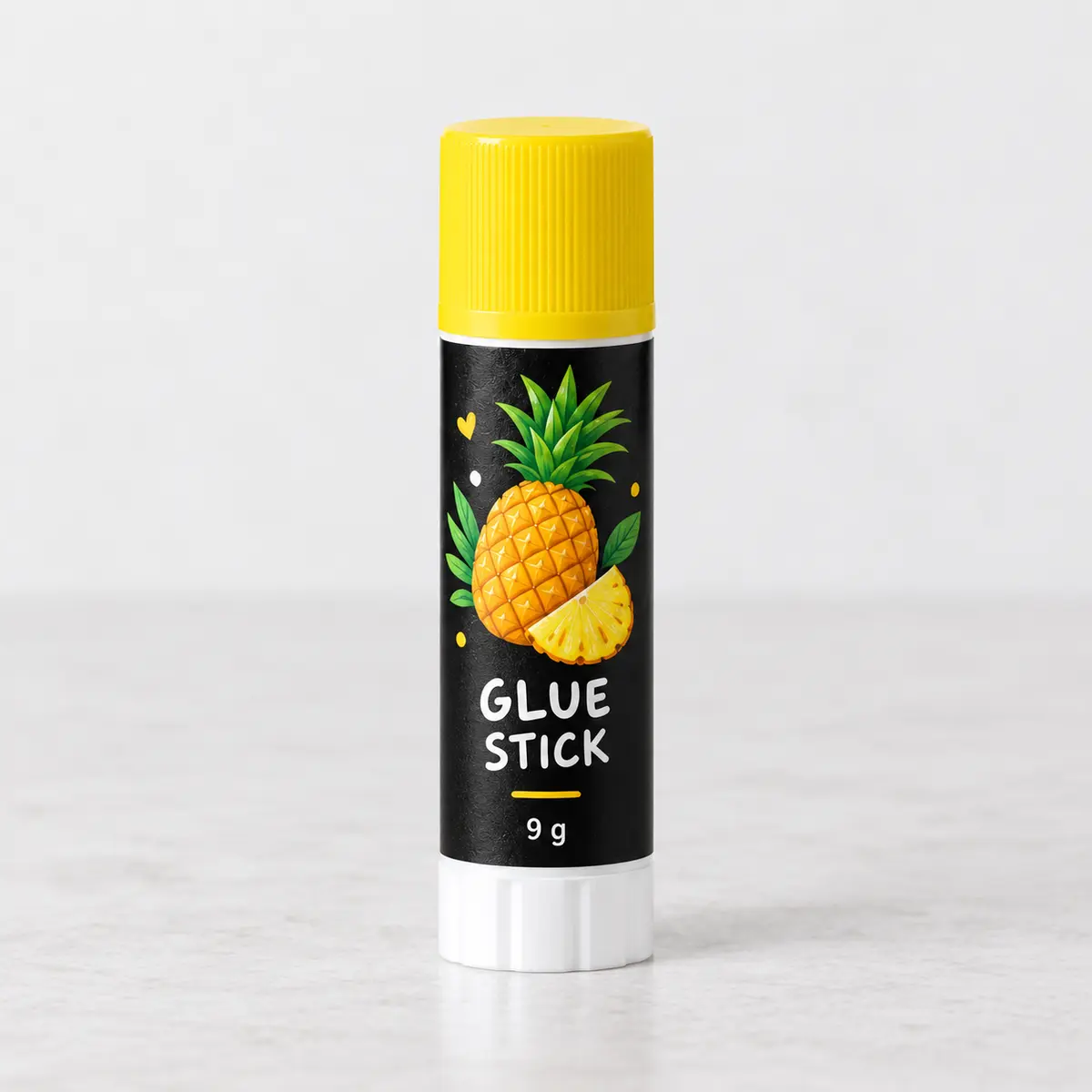 |
Fruit Aroma Glue Stick – Lime, 9 g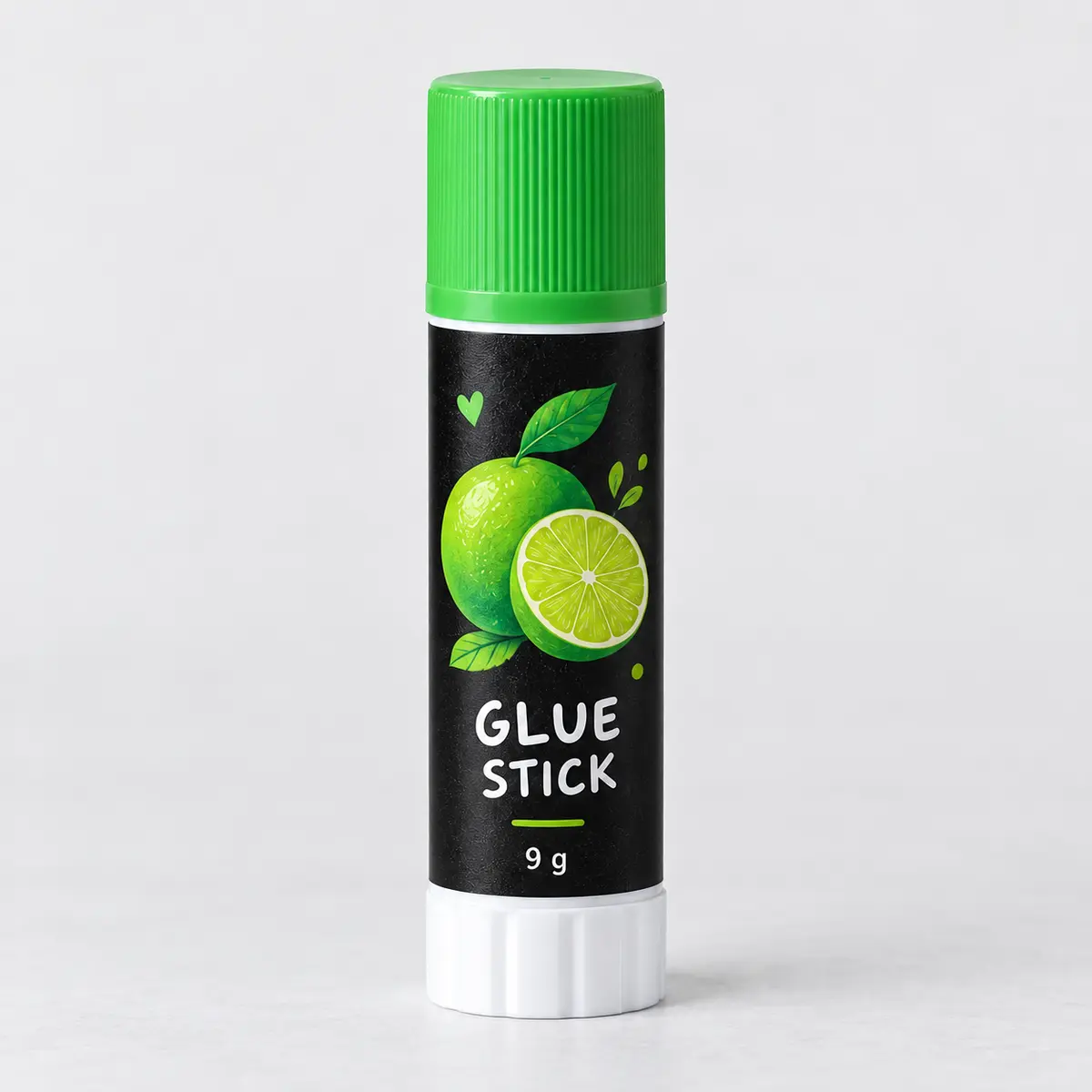 | Fruit Aroma Glue Stick – Fig, 9 g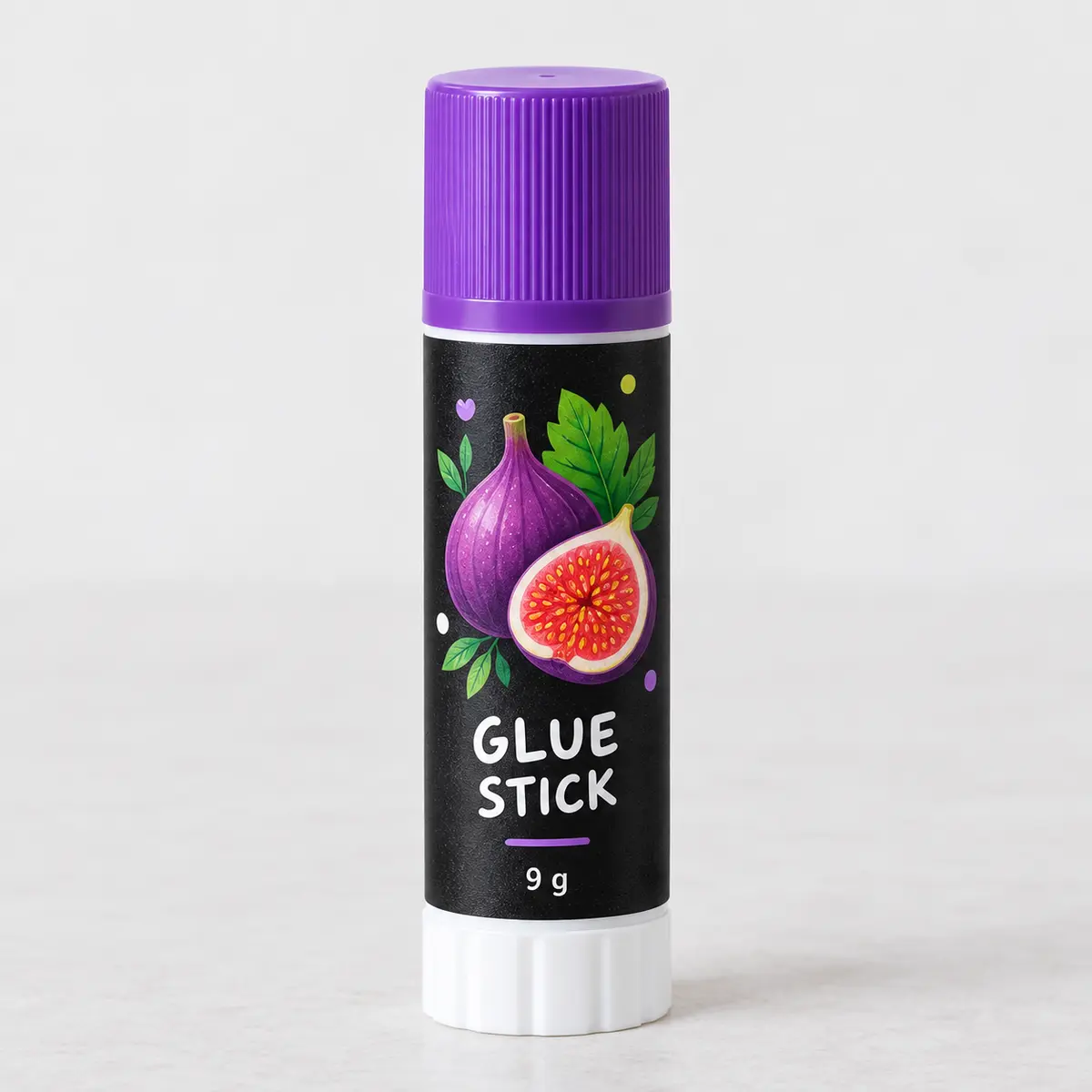 | |
| The customer cannot select the aroma they want and does not know which version will arrive. | The photo, title and specifications should correspond to the exact version the customer will receive. | |
AcceptedIf all aromas are sold together as one complete set, showing several versions in the same listing is also acceptable. | ||
| Set of 6 Fruit Aroma Glue Sticks, 9 g Each | ||
| In this case, the customer knows that all six glue sticks shown are included. | ||
Example 2: Insulated drinking bottles in different colours
The same rule applies when a product is available in several colours.
Imagine an insulated drinking bottle available in:
- blue
- pink
- green
- black
The customer should be able to choose the exact colour they want.
Not acceptedA single product listing shows bottles in several colours. | AcceptedEach colour is clearly identified and can be selected or purchased separately. | |
Insulated Drinking Bottle – 1 piece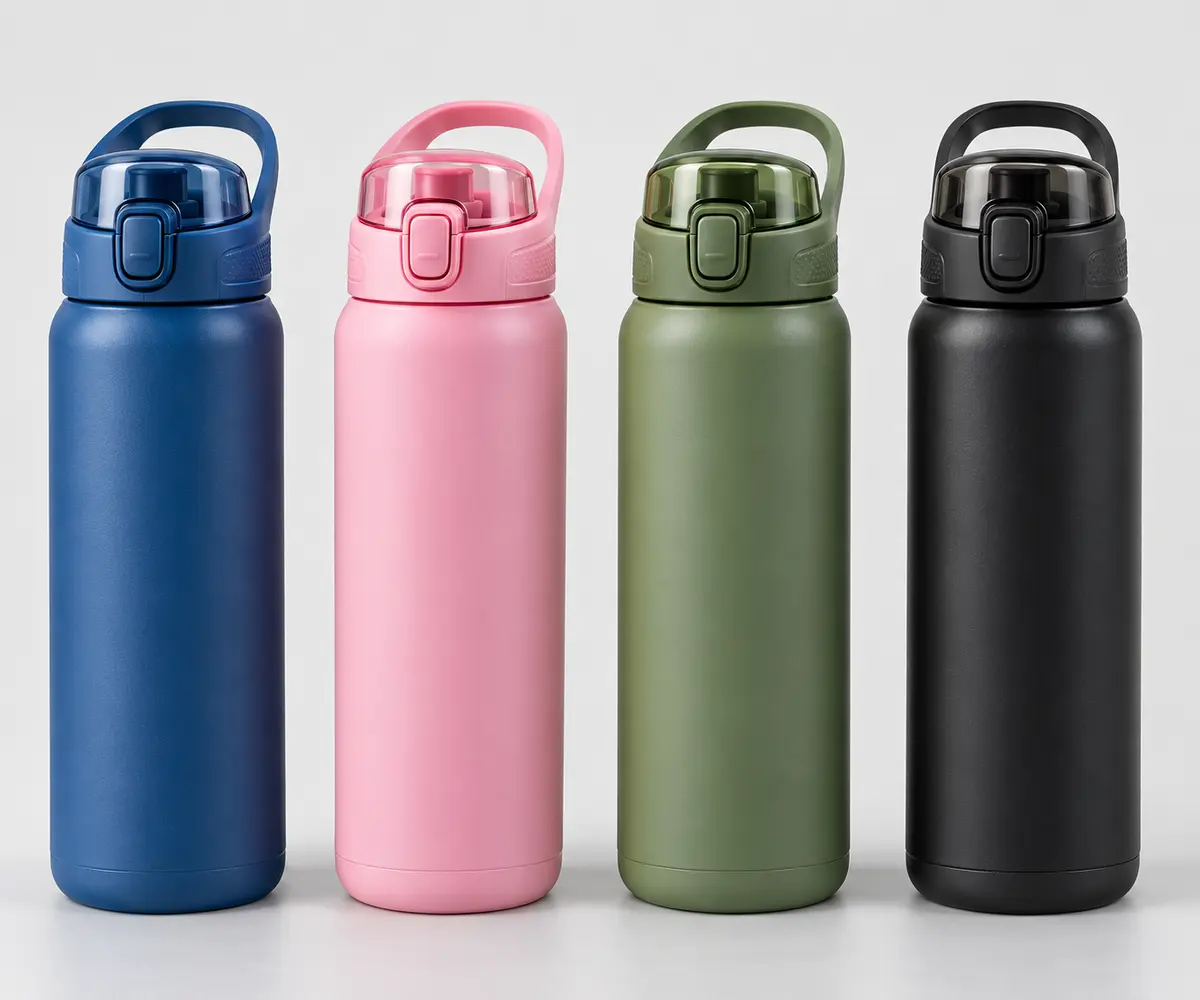 | Insulated Drinking Bottle – Blue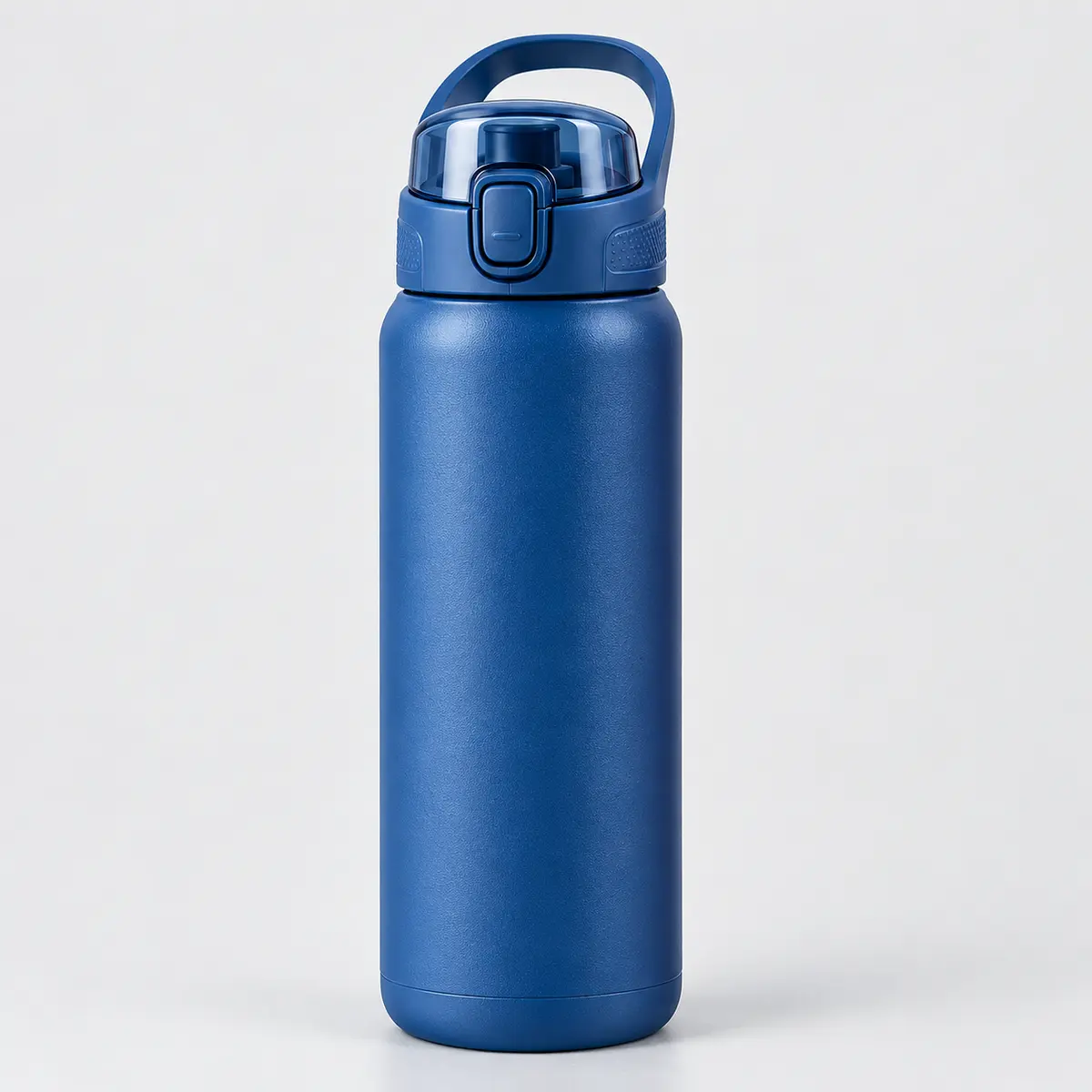 | Insulated Drinking Bottle – Pink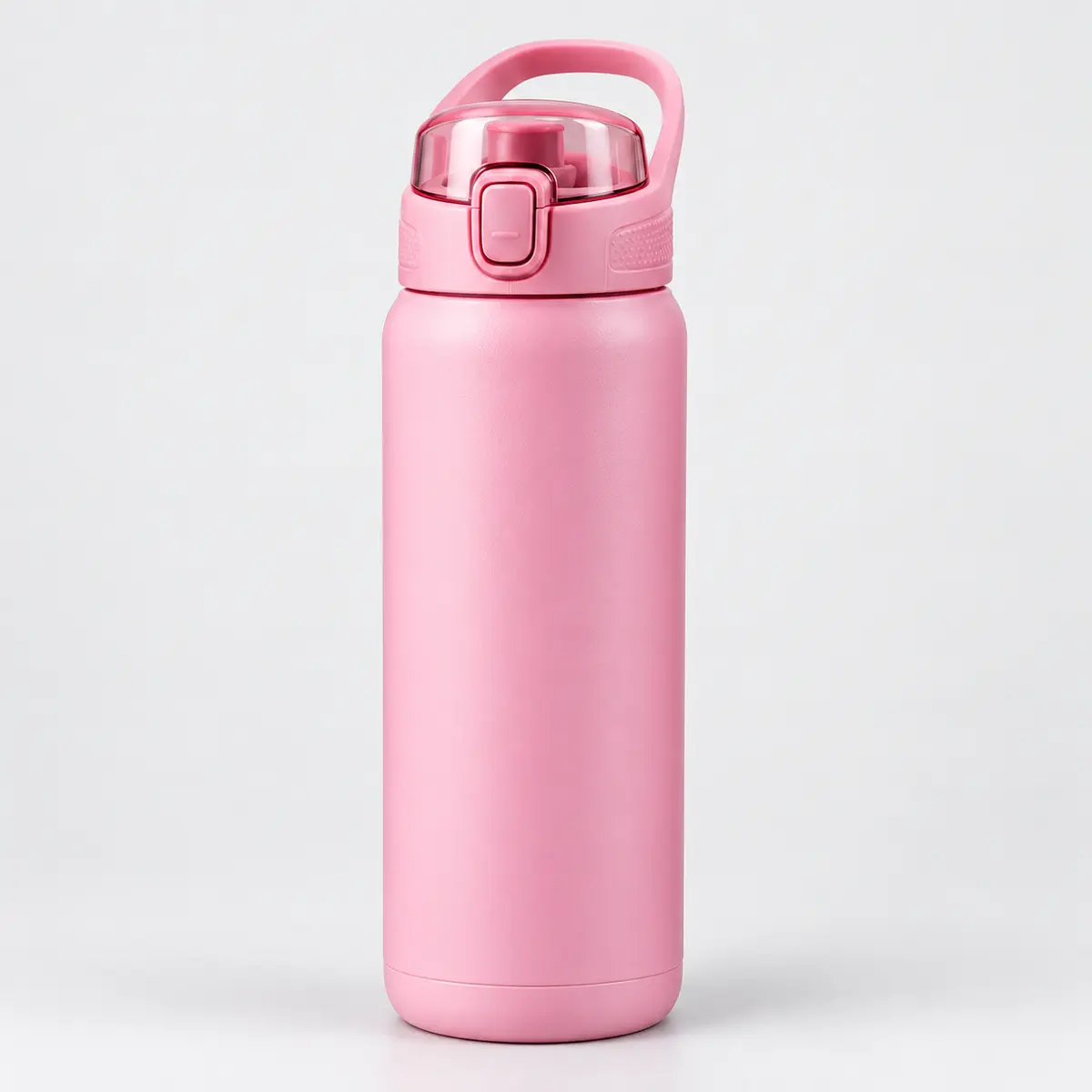 |
Insulated Drinking Bottle – Green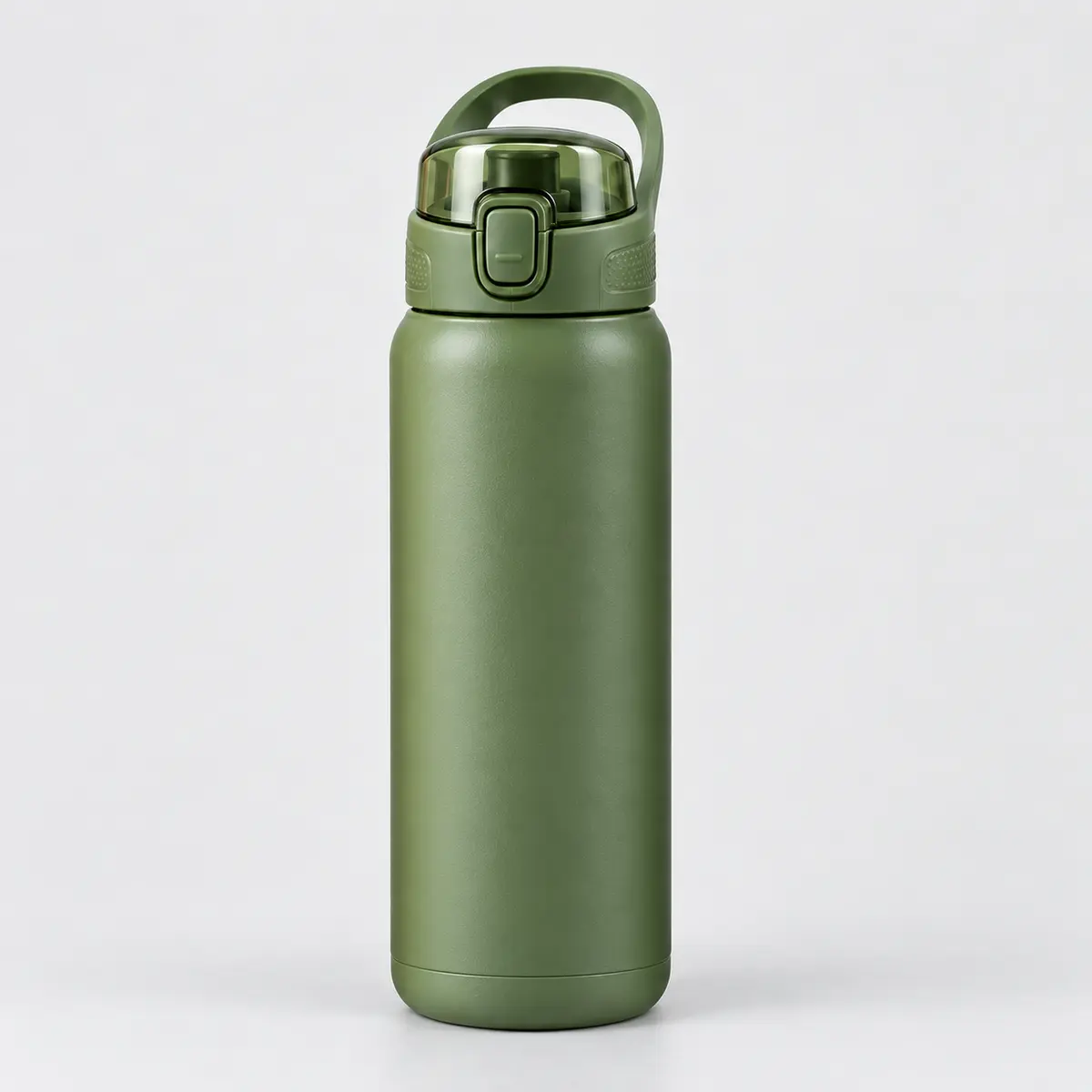 | Insulated Drinking Bottle – Black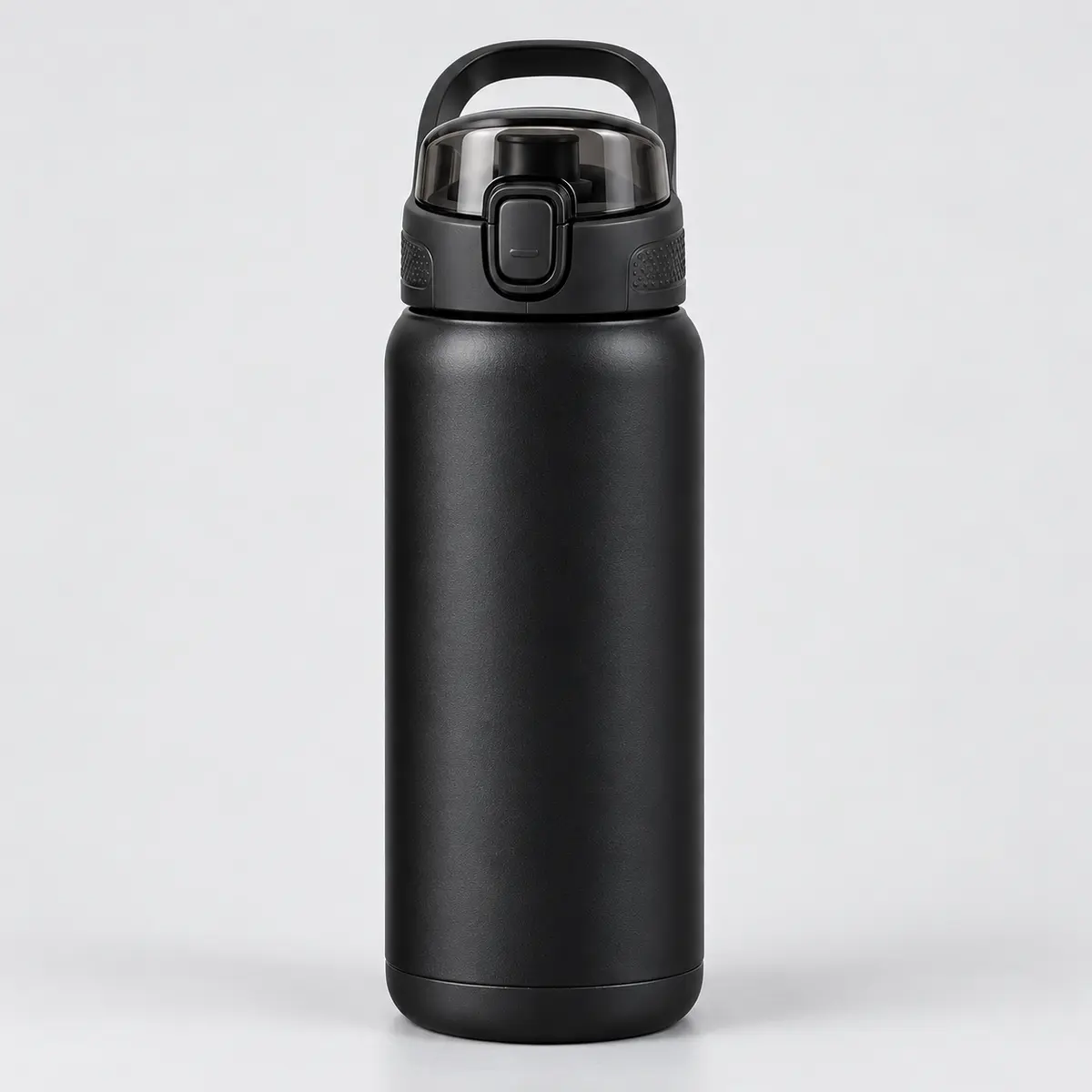 | |
| The customer cannot choose the colour and does not know which one will arrive. | If variants are available for the product, the different colours can be configured as selectable variants. Otherwise, they should be created as separate product listings. | |
The main photo should represent the exact colour corresponding to the selected product.
Example 3: Lip balms with different flavours or scents
For some products, flavour or scent is an important part of the purchasing decision.
This can apply to products such as:
- cosmetics
- lip balms
- air fresheners
- candles
- household products
- sweets
- drinks
- stationery products with aromas
If several versions exist, the customer should be able to choose the one they prefer.
Not acceptedA single product listing shows several fruit lip balms, but one version is sent randomly. | AcceptedEach version is clearly identified and can be selected or purchased separately. | |
Fruit Lip Balm – 1 piece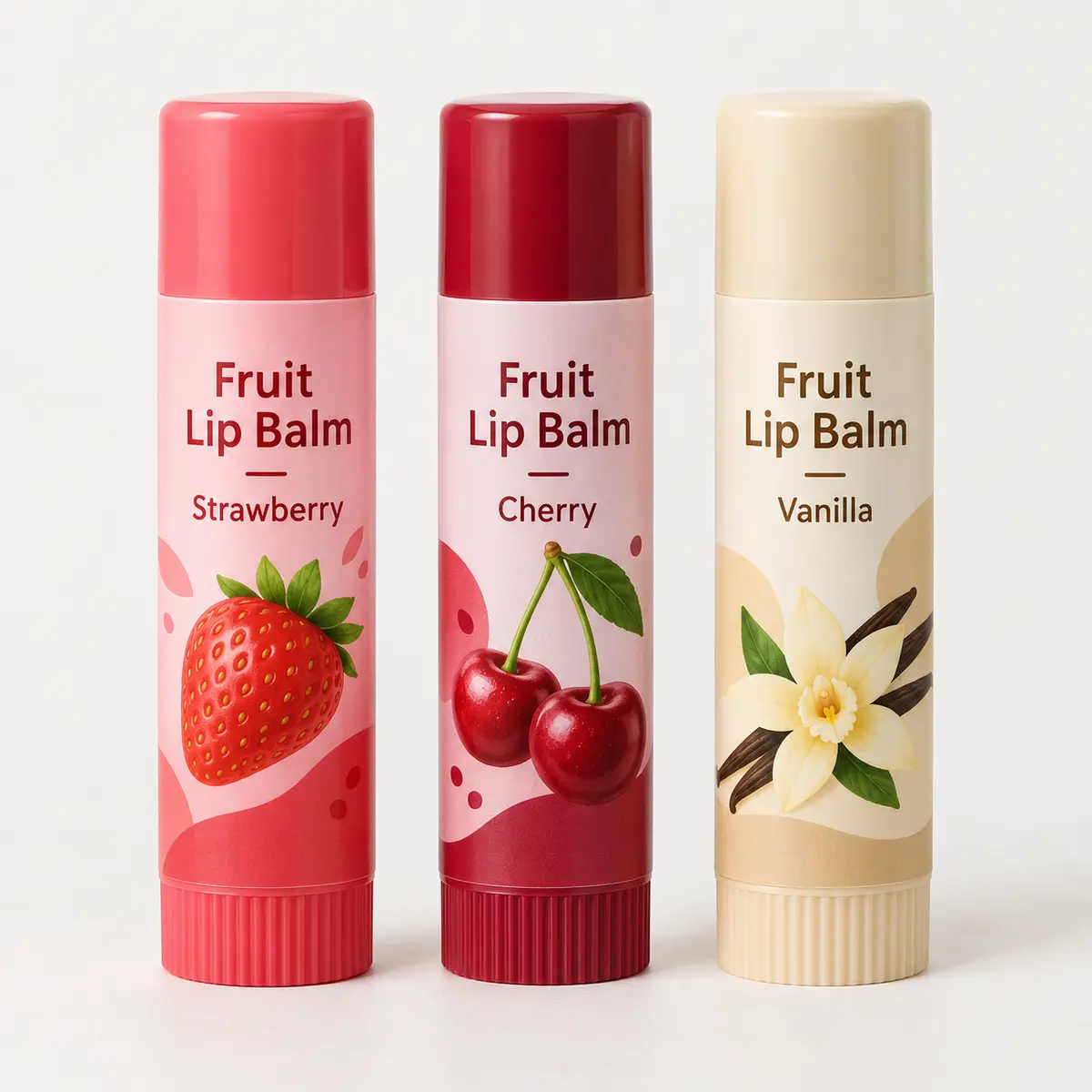 | Fruit Lip Balm – Strawberry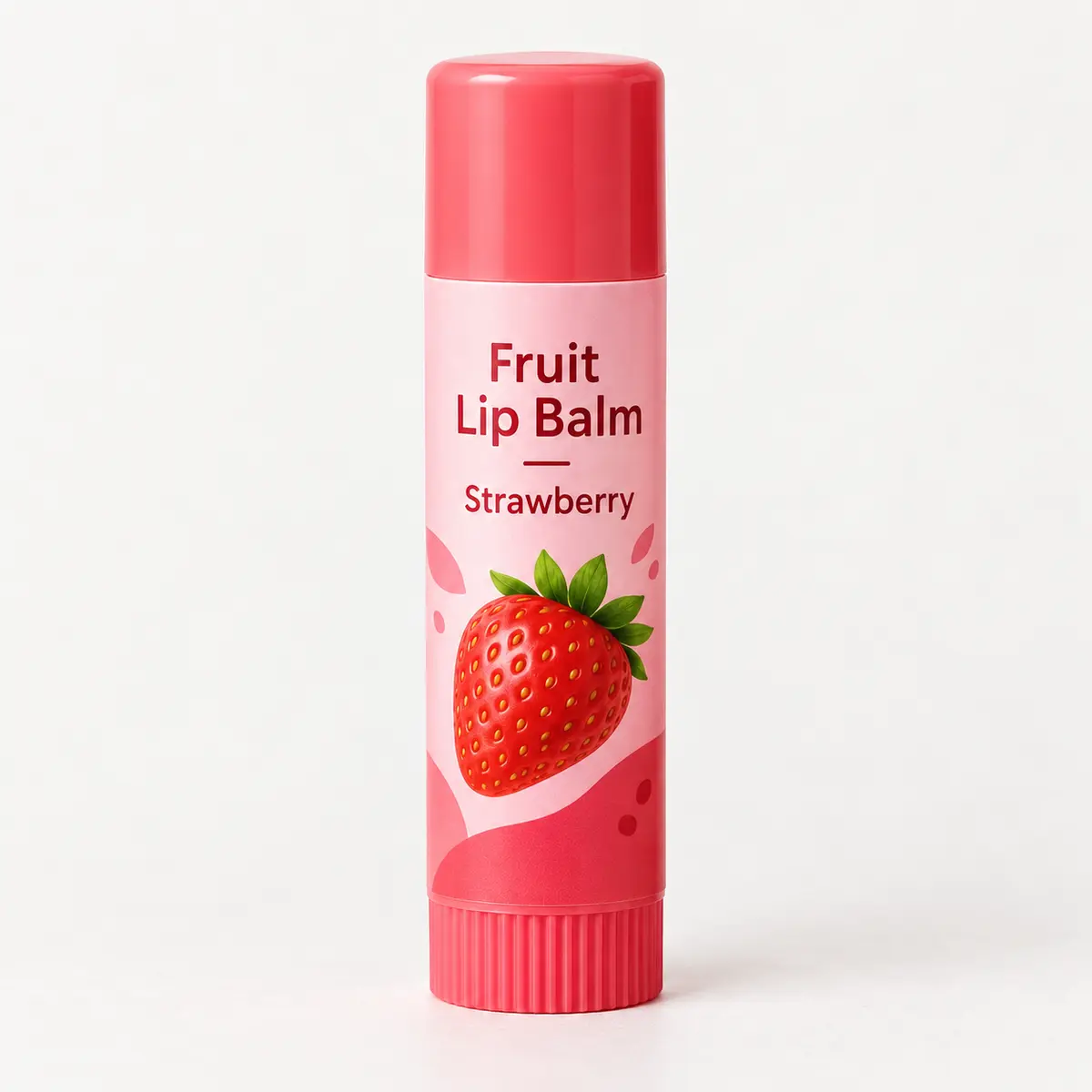 | Fruit Lip Balm – Cherry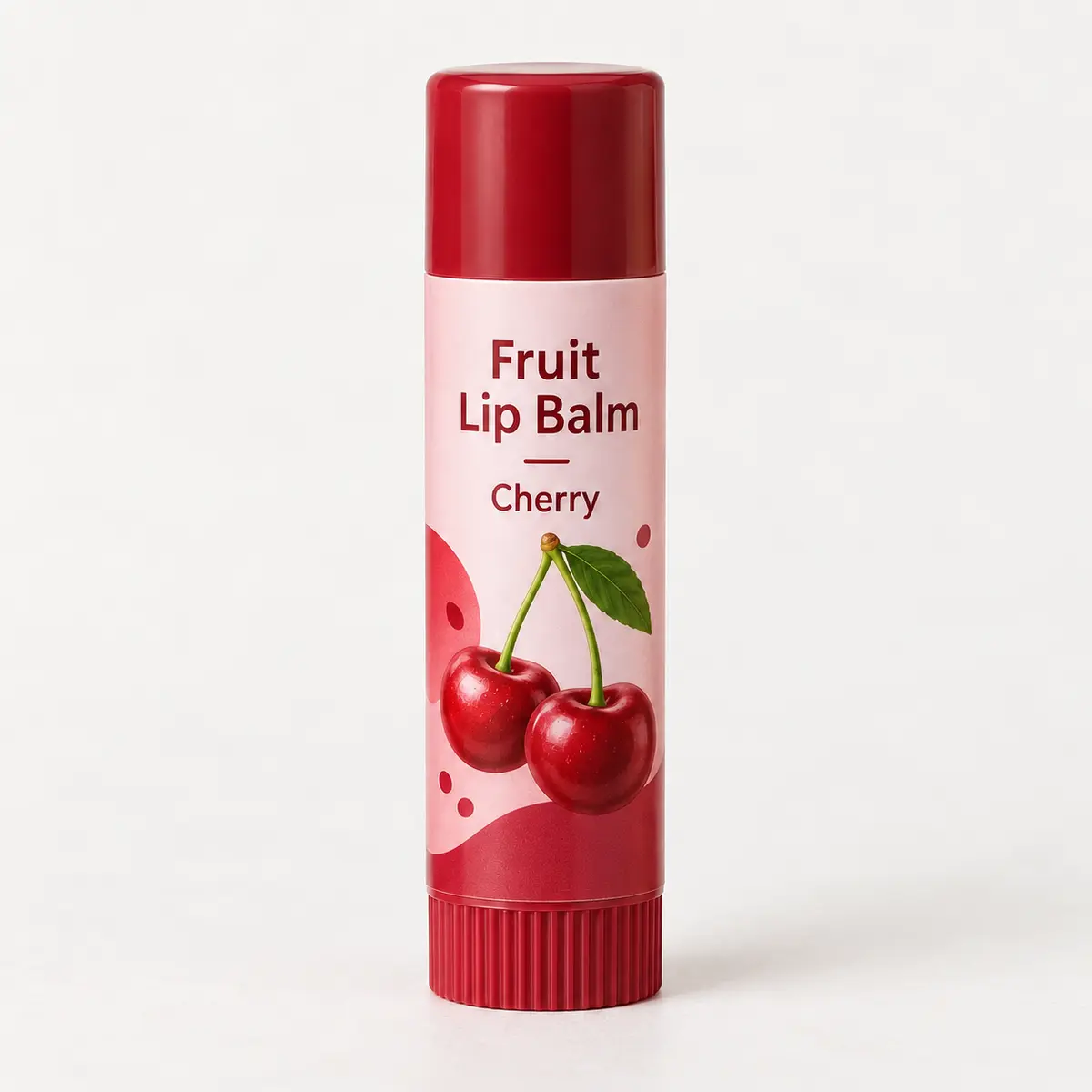 |
Fruit Lip Balm – Vanilla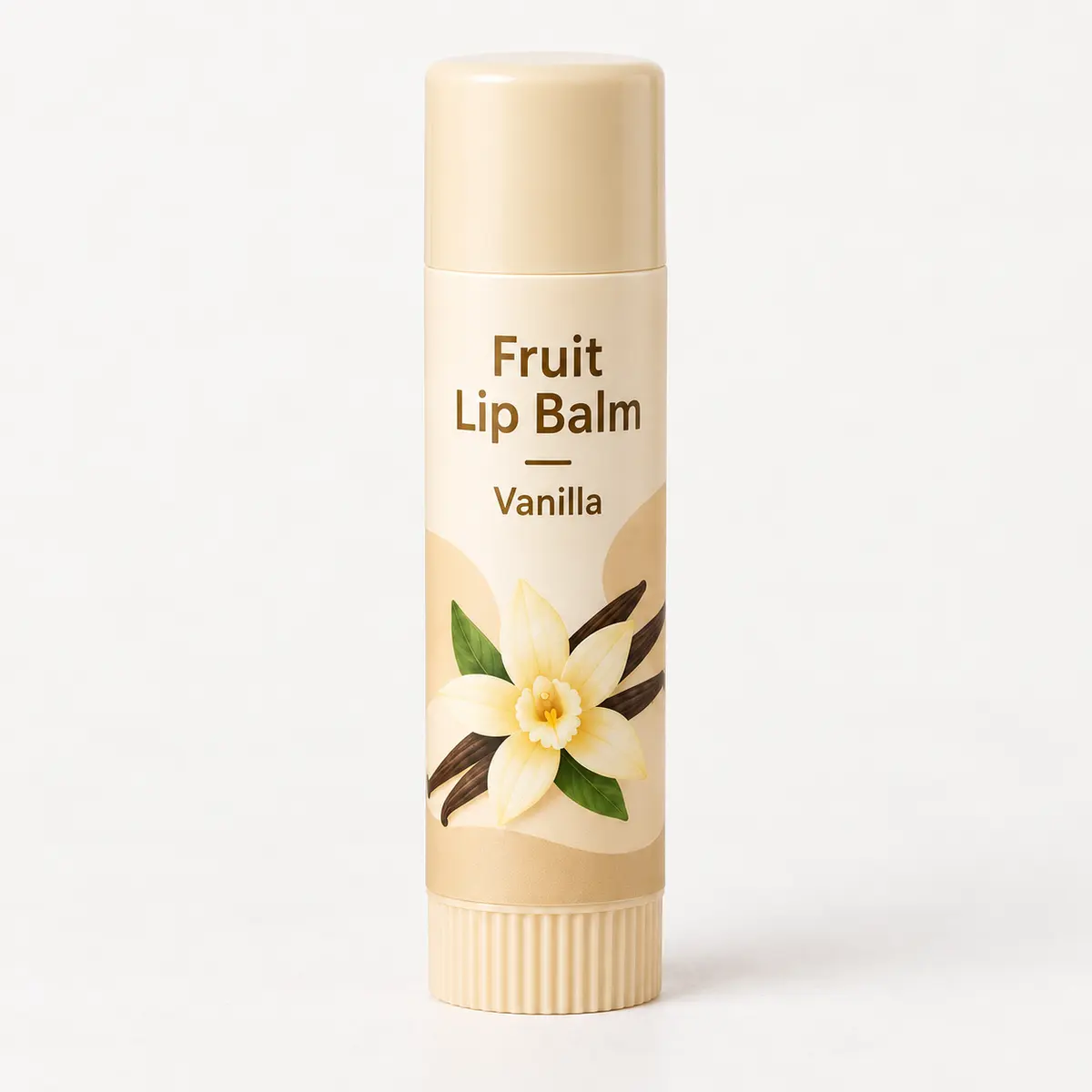 | ||
| The customer cannot choose which flavour or scent they want and does not know which one will arrive. | The photo, title and product information should clearly correspond to the exact version being purchased. | |
Example 4: Children's backpacks with different designs
This rule also applies to products available in different designs, patterns or characters.
This is particularly common for:
- children's products
- stationery
- clothing
- textiles
- accessories
- home decorations
The customer should know which design they are ordering.
Not acceptedA single product listing shows several children's backpacks with different designs. | AcceptedEach design is clearly identified and can be selected or purchased separately. | |
Children's Backpack – Assorted Design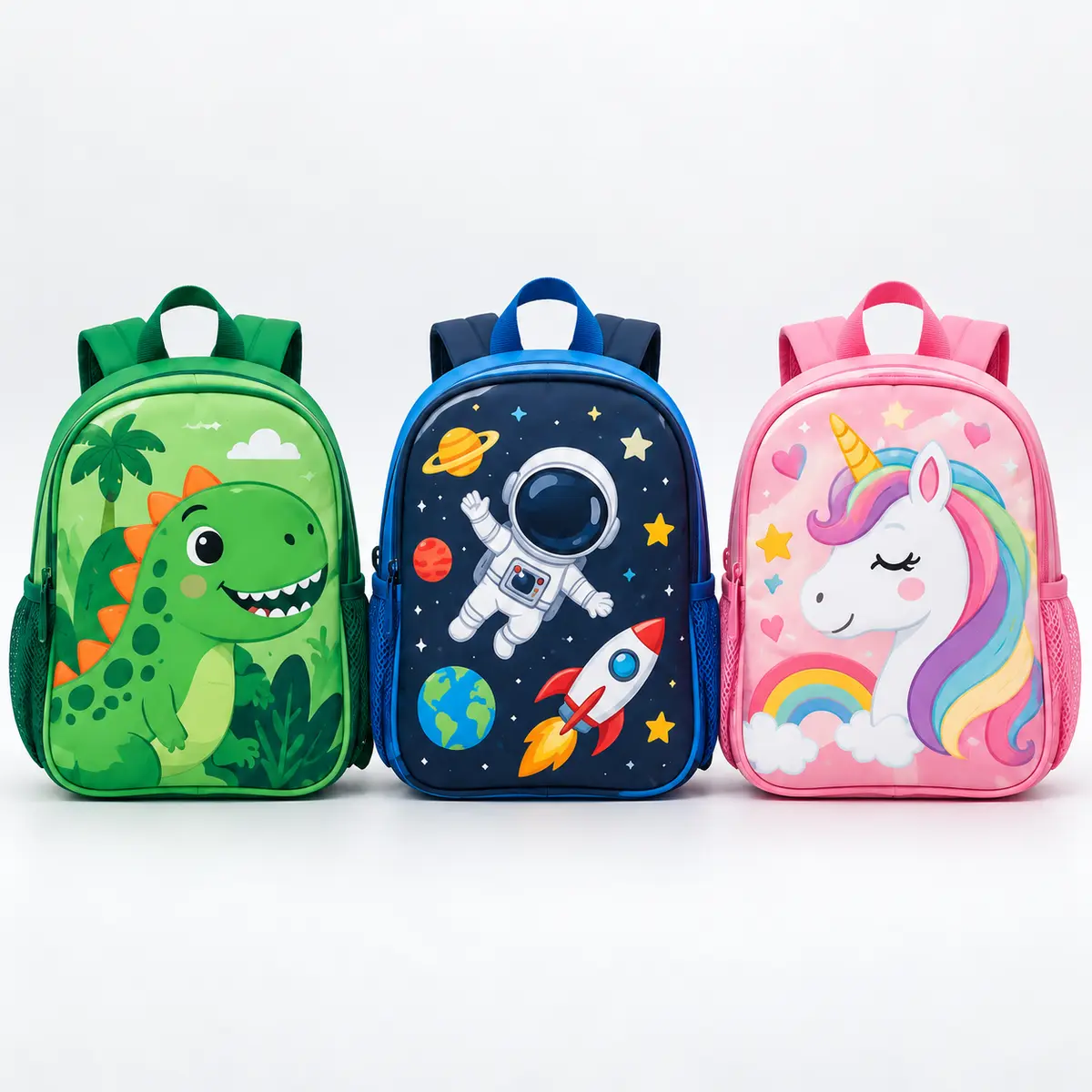 | Children's Backpack – Dinosaur Design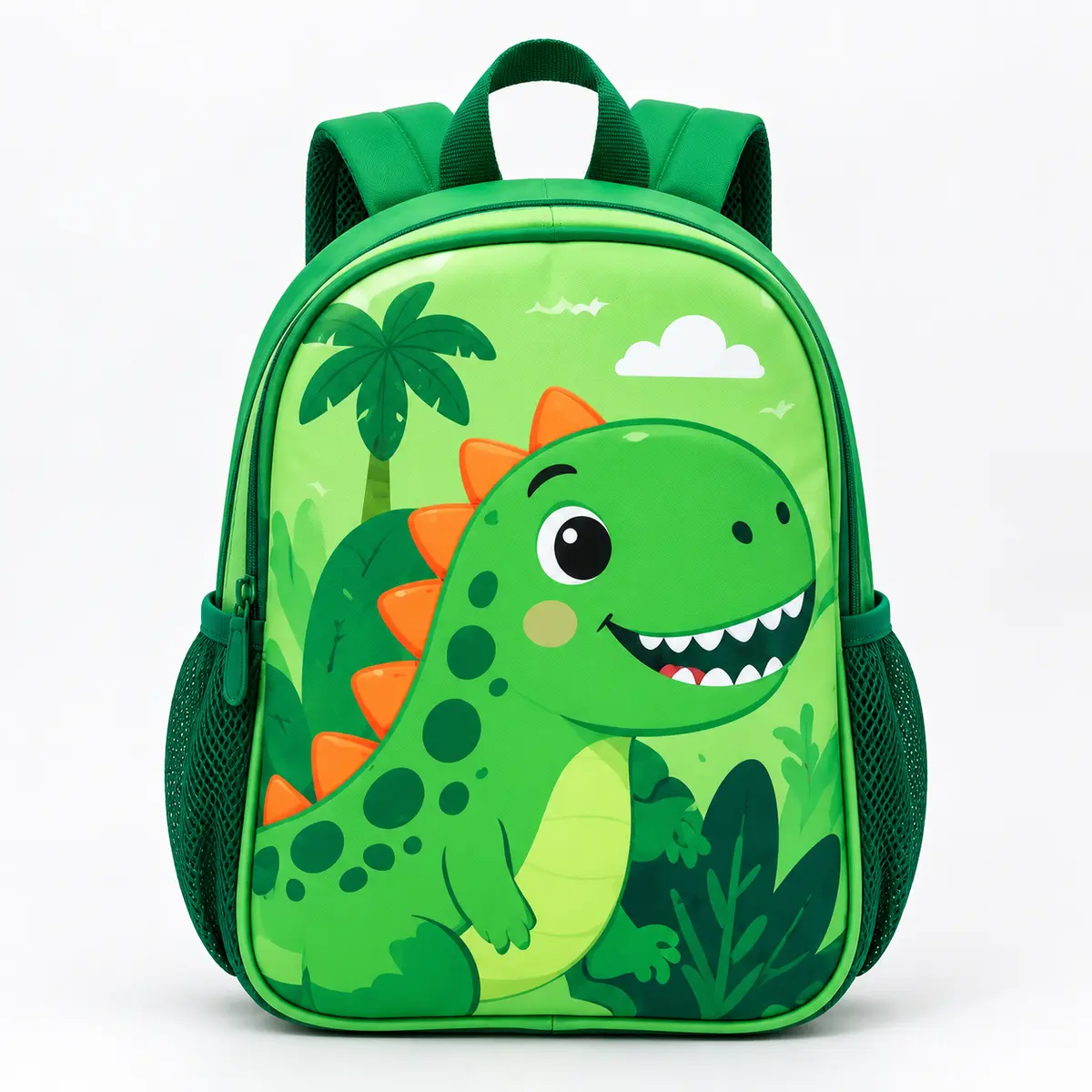 | Children's Backpack – Space Design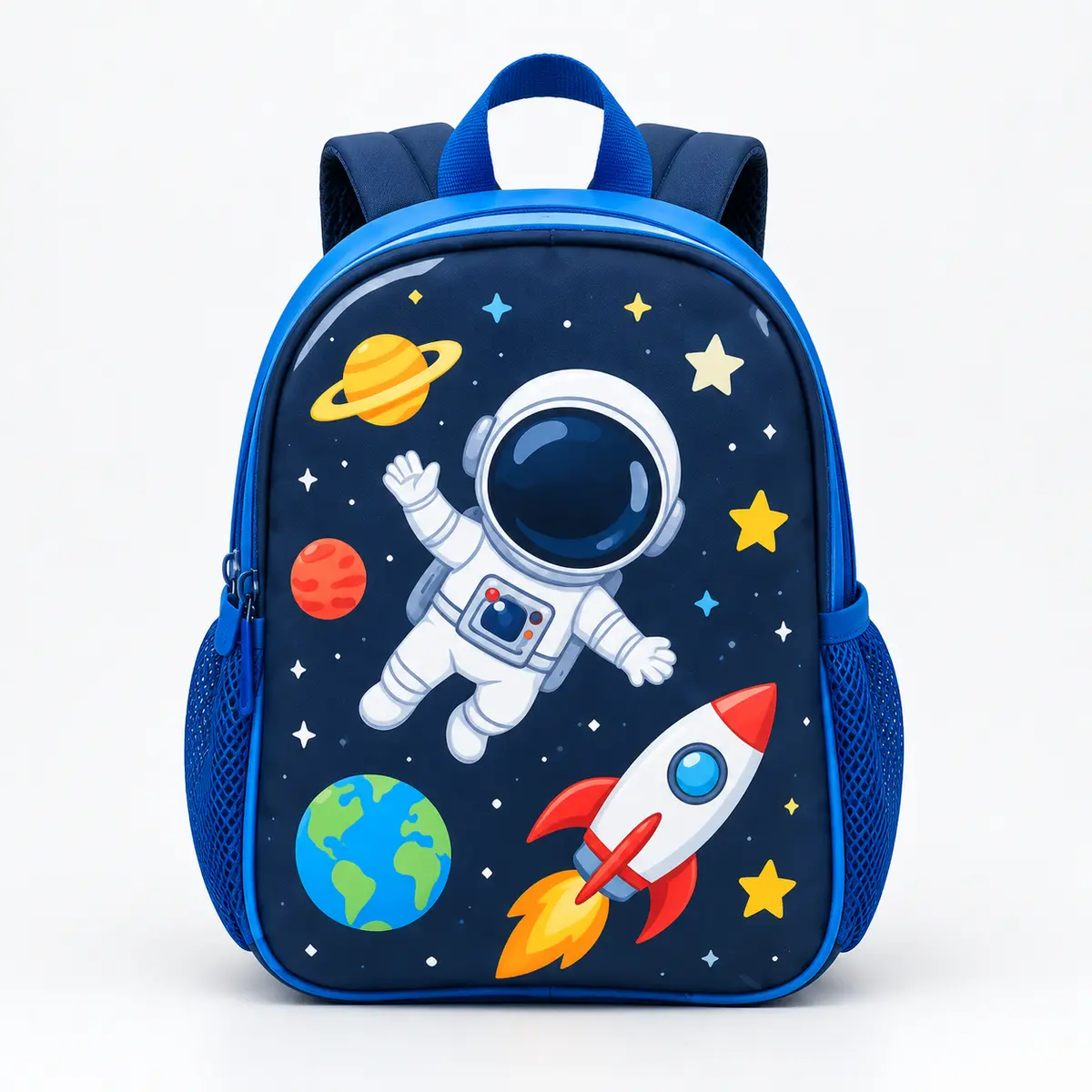 |
Children's Backpack – Rainbow Design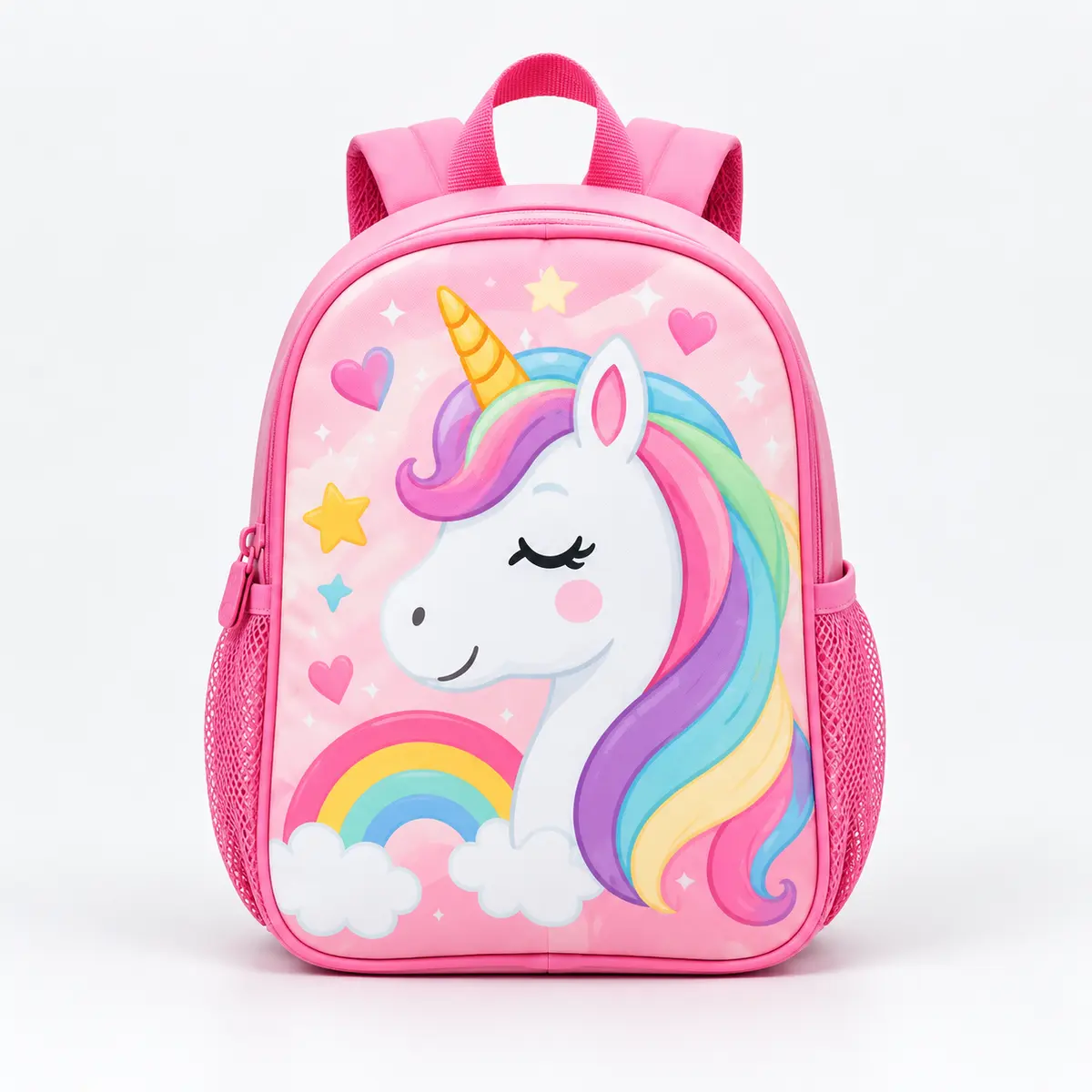 | ||
| The customer cannot choose the design and does not know which backpack will arrive. | The product photo should show the exact design corresponding to the product being ordered. | |
Different models or technical versions
The same principle becomes even more important when the difference affects functionality or compatibility.
Products with different technical specifications should not be grouped into one listing if the exact version is selected randomly.
Examples include:
- 64 GB and 128 GB storage
- USB-A and USB-C connectors
- different phone case models
- 1 metre and 2 metre cables
- different automotive compatibility
- different appliance versions
- different power ratings
- different dimensions
A customer should never order a technical product without knowing which version they will receive.
For example, a listing should not offer both USB-A and USB-C versions of a cable and state that the connector will be selected depending on availability.
If the difference can affect whether the product works for the customer, the exact version must be clearly selectable or listed separately.
When several products in one photo are acceptable
Showing several products in one image is not automatically a problem.
The important question is:
What does the customer actually receive?
If a photograph shows several different products and the customer receives all of them as part of a set, the listing can be perfectly valid.
For example, if a photo shows six different glue sticks and the product being sold is:
Set of 6 Fruit Aroma Glue Sticks, 9 g Each
the customer receives all six products shown in the image.
The problem appears when the image shows several possible versions but the customer receives only one randomly selected item.
The customer must always be able to distinguish between:
Several products included in one set
and
Several possible products from which only one will be sent.
The product photo should match the selected version
The main photo should clearly represent the product being sold.
If the listing is for a green bottle, the main image should show the green bottle.
If the listing is for a vanilla lip balm, the main photo should represent the vanilla version.
If the listing is for a dinosaur backpack, the main photo should show the dinosaur design.
Avoid using a main image showing several colours, flavours, aromas or designs when the listing represents only one of them.
Additional images may show other useful details about the product, but they should not create confusion about which version is actually being sold.
The customer should be able to connect:
Photo → Product title → Specifications → Product received
without ambiguity.
When should products be separated?
Different versions should be created as separate products or selectable variants whenever the difference may influence the customer's purchasing decision.
This includes differences in:
- colour
- flavour
- scent
- design
- pattern
- size
- model
- capacity
- compatibility
- dimensions
- configuration
- included accessories
A useful rule is:
If a customer could reasonably say “This is not the version I wanted”, the choice should not be random.
Even if the products have the same price or perform the same general function, differences in colour, flavour, scent or design can still matter to the customer.
What happens if a product does not meet this requirement?
If a listing contains several possible products without allowing the customer to know or select which one they will receive, the product may be refused during moderation.
The product will be returned to Draft status.
To correct it:
- Identify the different versions included in the listing.
- Create separate products or selectable variants for them.
- Use the appropriate photo for each version.
- Update the title and specifications to describe the exact product.
- Submit the product again for approval.
A simple rule to follow
Before submitting a product, ask:
If a customer places an order right now, do they know exactly which colour, flavour, scent, design, size, model or version will arrive?
If the answer is no, the product listing should be adjusted.
IVO customers should always know exactly what they are buying.
Random colours, flavours, scents, designs or versions should not be used when those differences affect the product the customer receives.