
A brand alone is not enough. A brand usually makes many products of the same type, with different features and prices. “ZELVIO Smart TV, 55 inch” could be any of several TVs. “ZELVIO 55Q8D QLED 4K Smart TV, 55 inch” is one product.
A product may be refused with the reason No brand or model specified when the listing does not identify one exact product: the brand or the model is missing, and the rest of the listing is not enough to tell it apart from similar products.
This matters most for products made in many models, such as:
- phones, tablets, laptops and computers
- TVs, monitors, audio and photo equipment
- household appliances: washing machines, fridges, vacuum cleaners, coffee machines
- power tools and garden equipment
- game consoles, video games, branded toys and building sets
- car parts and accessories
The model can be a name, a number or a code: X12 Pro, 55Q8D, WM8-1400, 60412. Write it exactly as the manufacturer does.
Products without a brand are welcome. For them, the specifications do the job of the brand and model.
The brands used in the examples below are fictional.
Example 1: Electronics and household appliances
Imagine a TV made by ZELVIO and a washing machine made by BREVIA. Both brands make many models that look almost the same in a photo.
Not acceptedThe listing does not say which exact product it is. | AcceptedThe brand and the exact model identify one product. |
ZELVIO Smart TV, 55 inch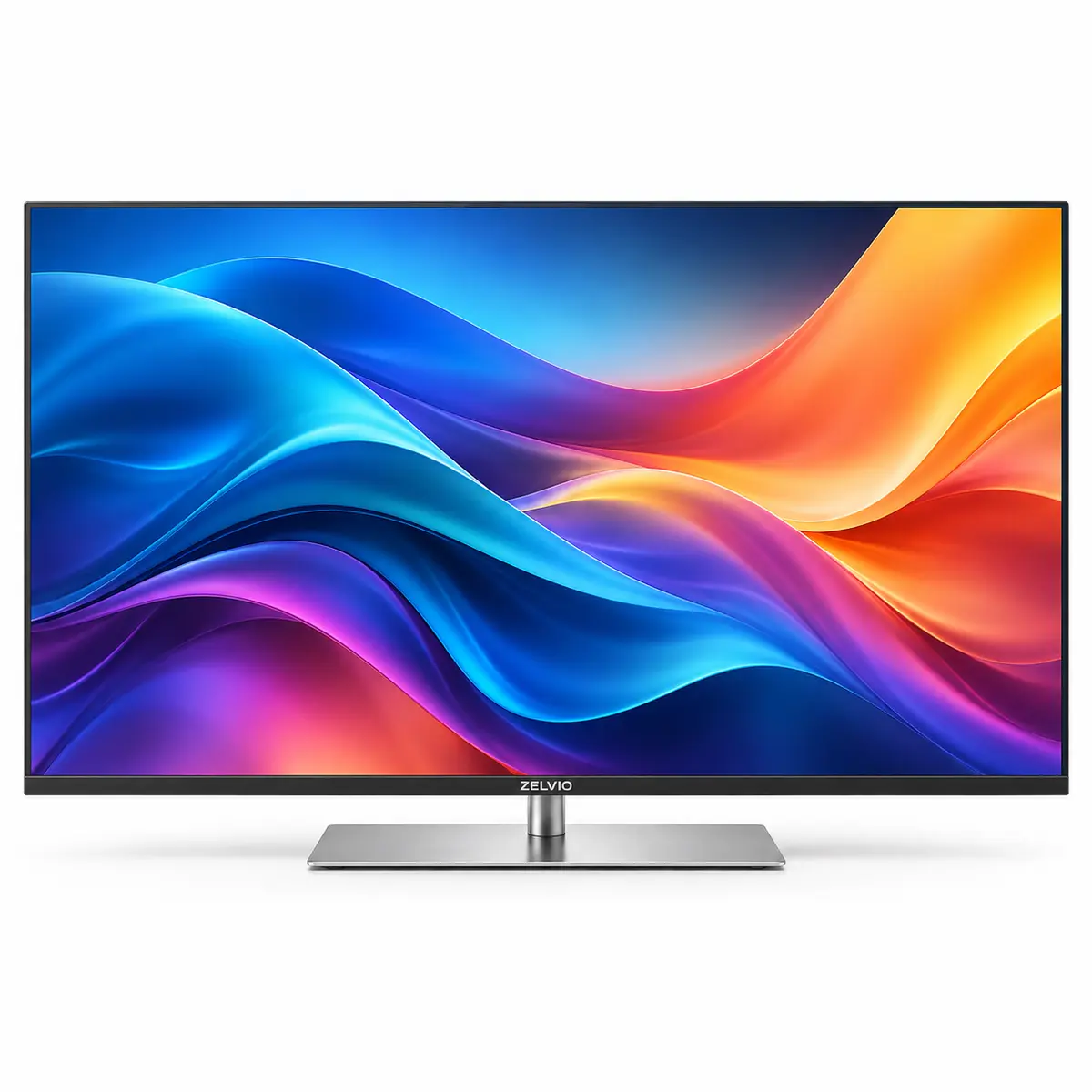 | ZELVIO 55Q8D QLED 4K Smart TV, 55 inch, 120 Hz |
| ZELVIO makes several 55-inch TVs. The customer cannot know which one they would receive, or whether the price is right. | The model tells the customer exactly which screen, features and price they are getting. |
Automatic Washing Machine, White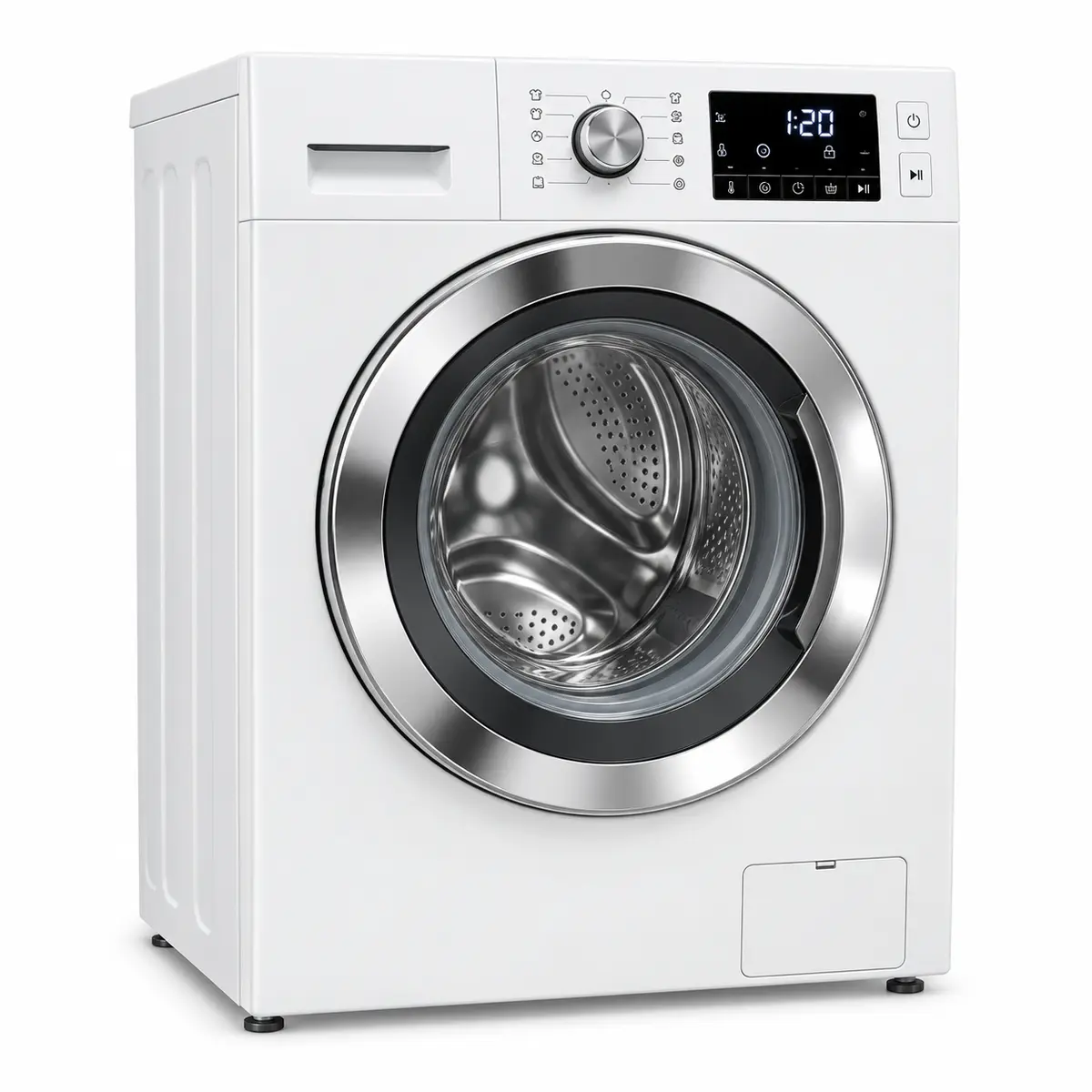 | BREVIA WM8-1400 Washing Machine, 8 kg, 1400 rpm, Energy Class A, White |
| No brand, no model and no specifications: almost any washing machine could match this listing. | The brand, the model and the main specifications: the customer knows exactly what they are buying. |
Example 2: Products without a brand
Many products have no brand: towels, kitchen utensils, tools, accessories. They are welcome on IVO.
Writing “No brand”, “Generic” or “OEM” is not a problem. But then the specifications must say exactly what the product is.
Not acceptedNo brand and no specifications. | AcceptedNo brand, but the specifications identify the product. |
Bath Towel, White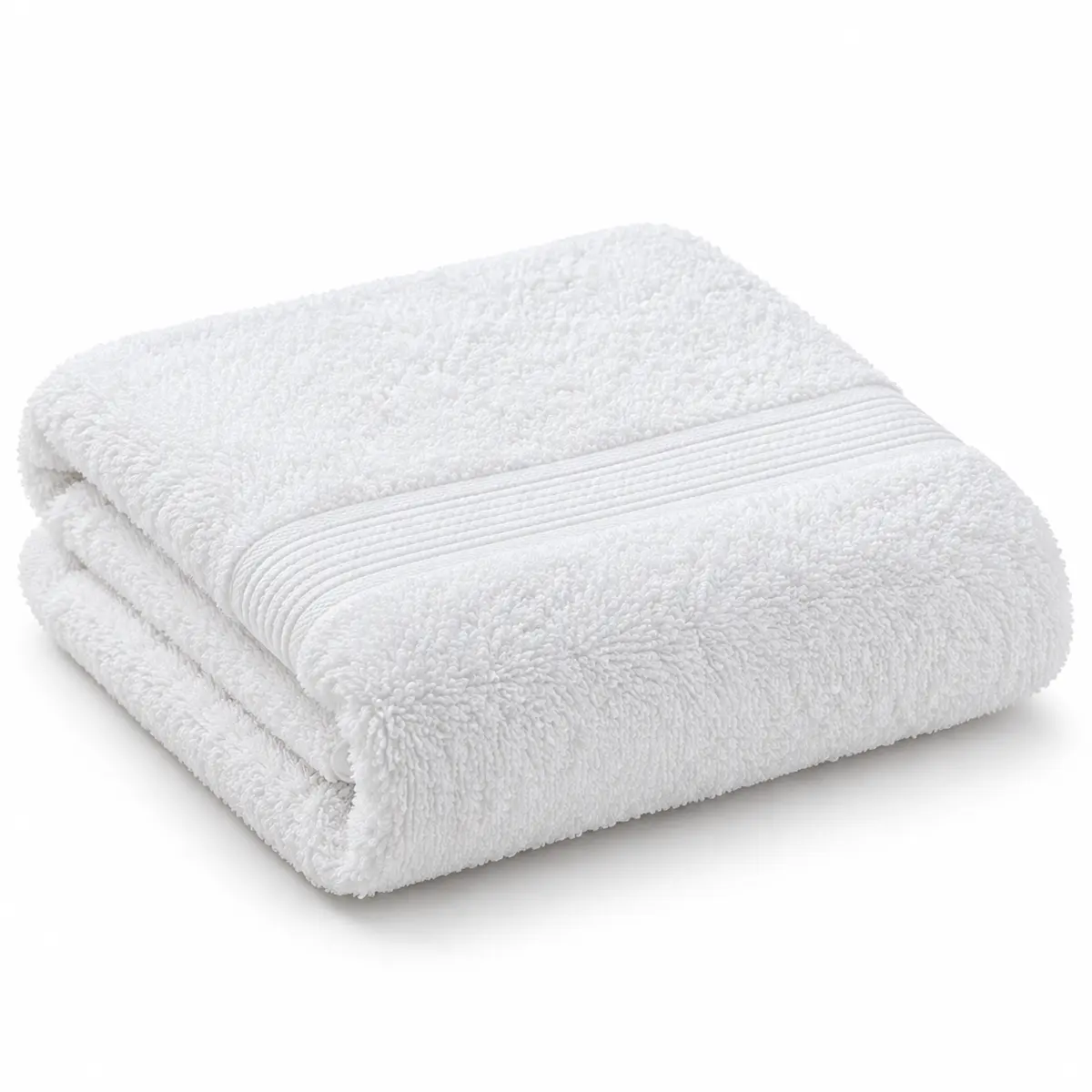 | Cotton Bath Towel, 70 × 140 cm, 500 g/m², White |
| Towels differ in size, weight and material. The customer cannot know which one they would receive. | No brand is needed: the size, weight and material identify the towel. |
LED Flashlight, Black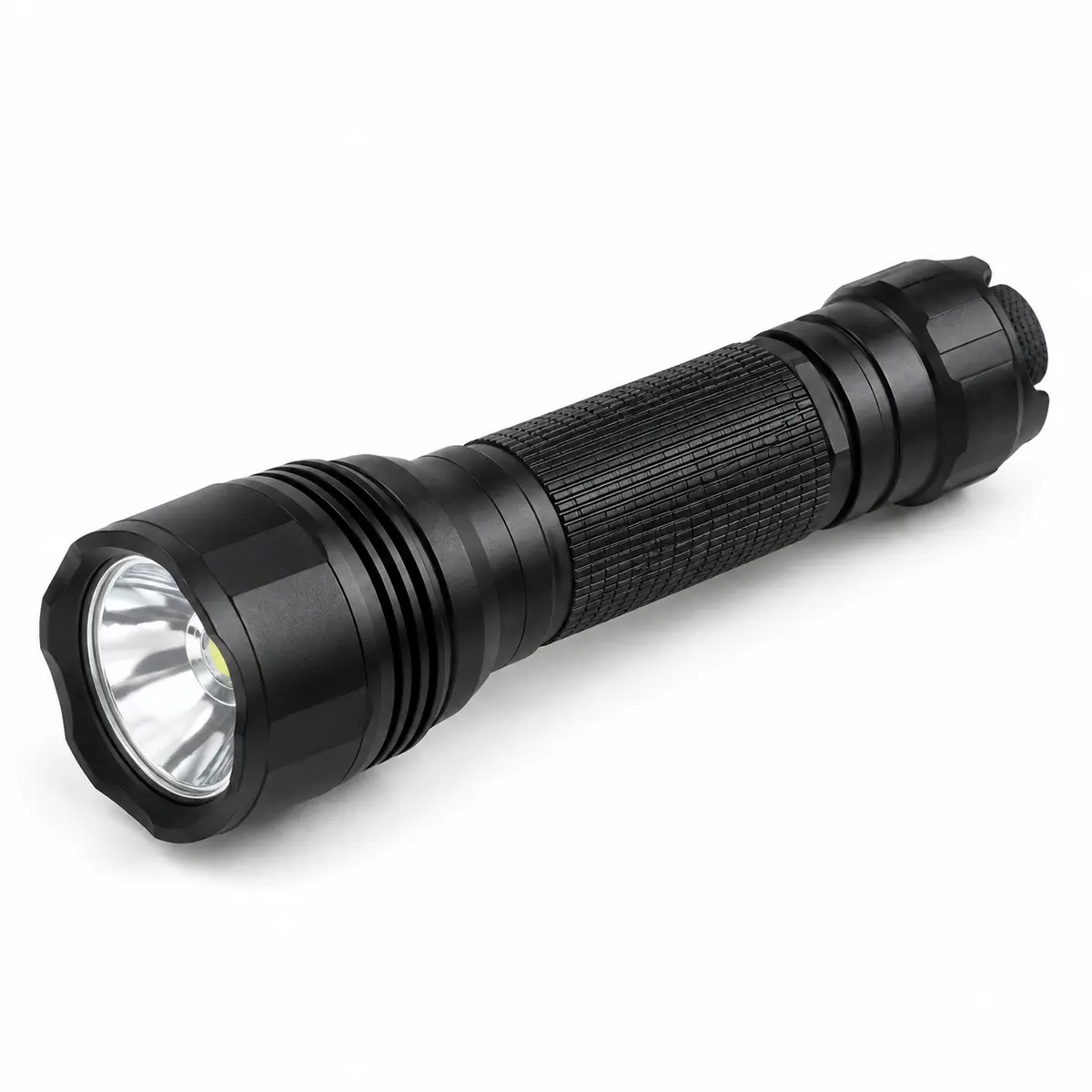 | LED Flashlight, 1000 lm, 18650 Battery, USB-C Charging, IPX6, Aluminium, Black |
| There are thousands of different flashlights. | The brightness, battery, charging and protection rating say exactly what the customer gets. |
Example 3: Your own brand and handmade products
Local producers often sell under their own brand, or make their products by hand. Both are welcome.
Not acceptedThe listing does not say whose product it is, or what exactly it is. | AcceptedThe producer's own brand, or an exact description of the handmade product. | |
Natural Honey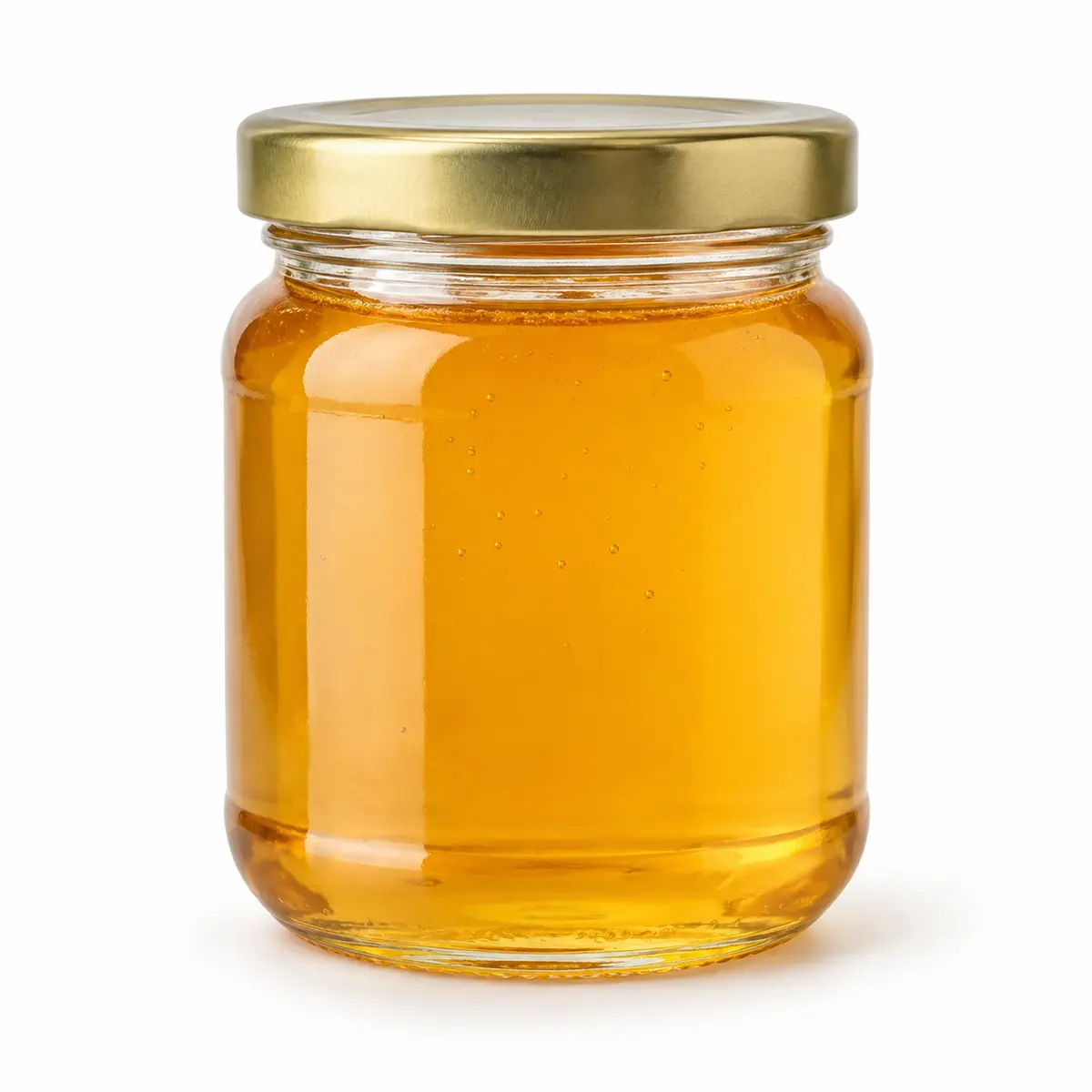 | APIRA Acacia Honey, 500 g, Glass Jar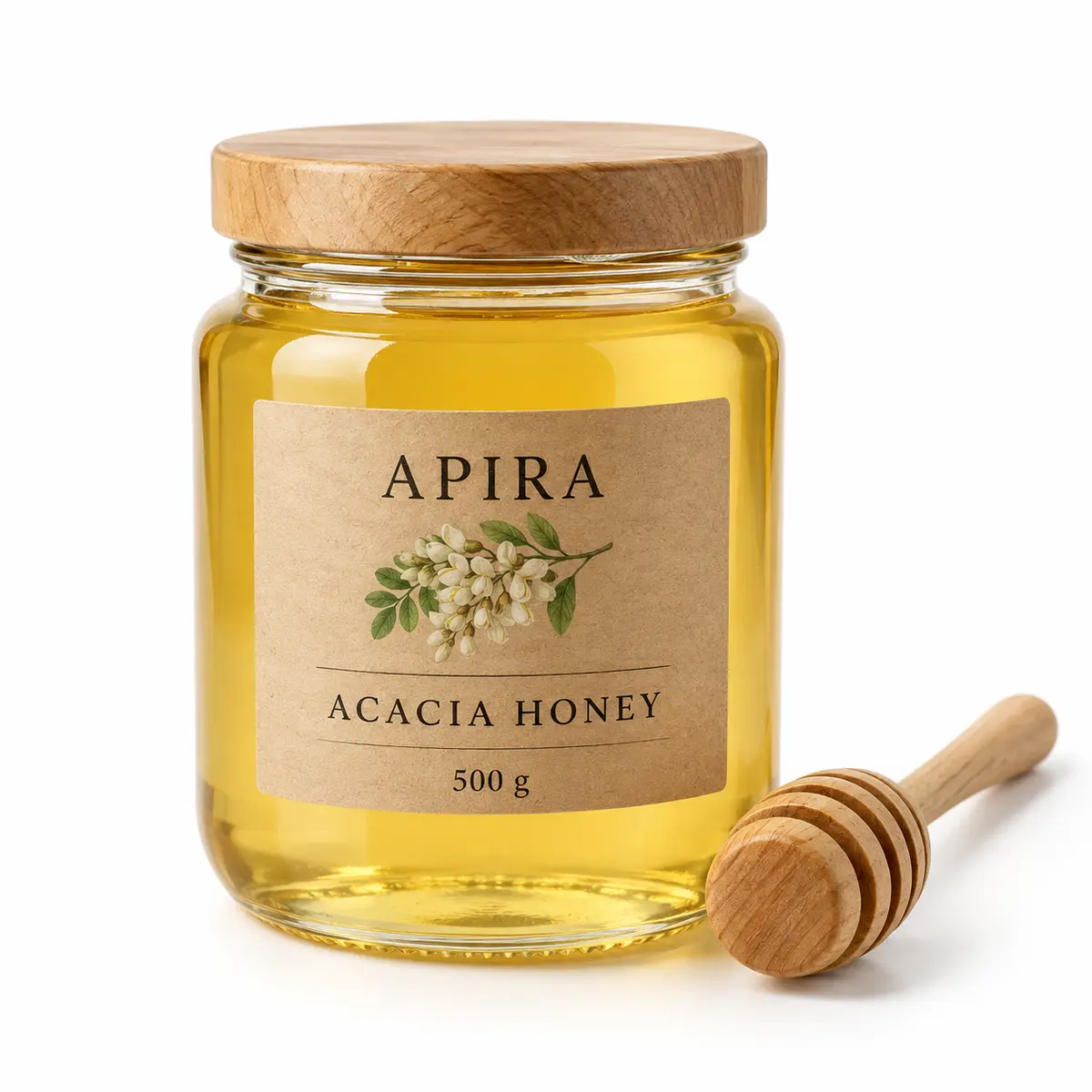 | Handmade Lavender Soap, 100 g, Olive Oil Base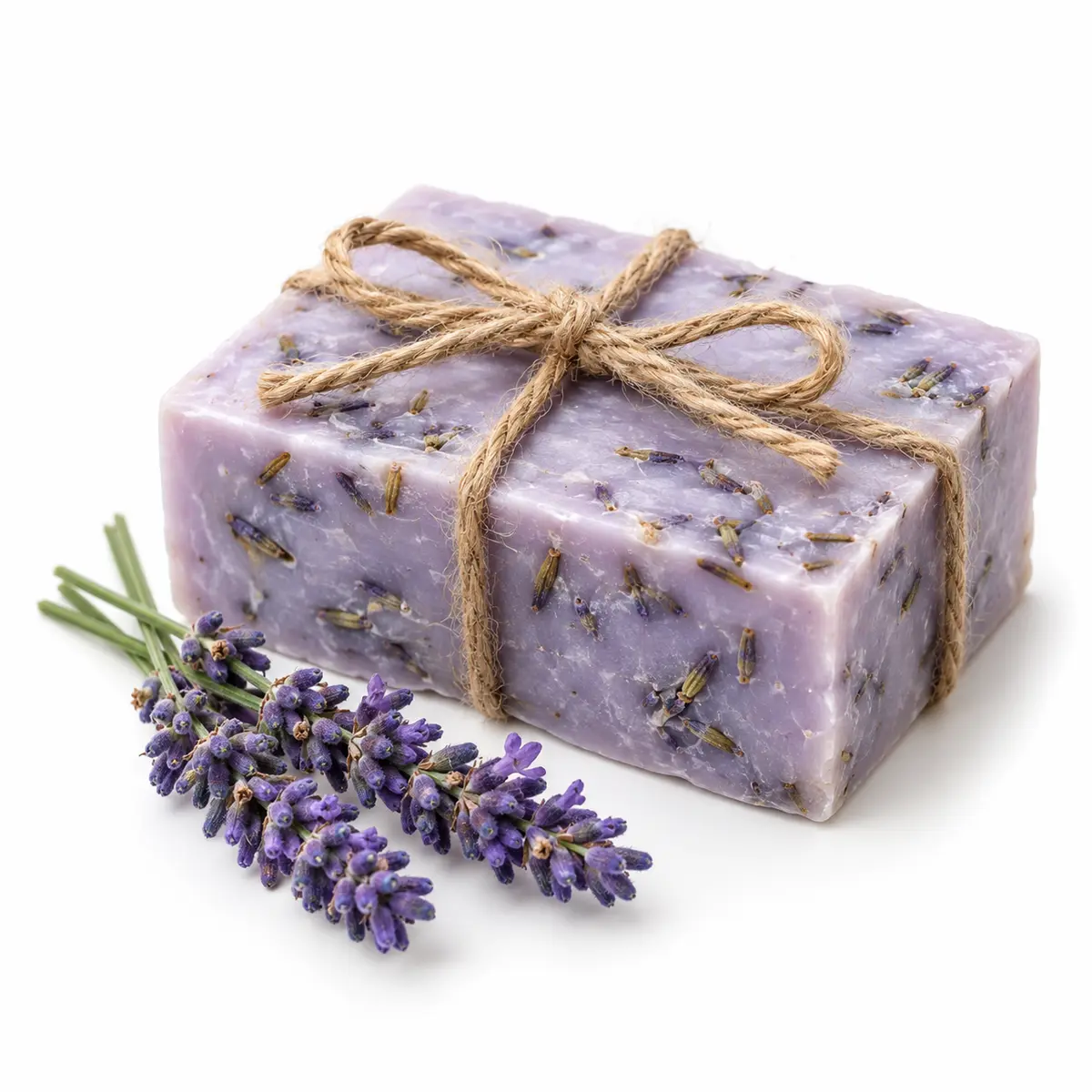 |
| Honey differs by type, origin and weight. The customer does not know what they would receive. | Your own brand is a brand: write it in the title, with the type and the weight. | A handmade product can be sold without a brand, with what it is made of and its weight or size. |
Where to write the brand and model
Write them in the title, as the Title of product step suggests: the brand, the model and the key features, separated by commas.
For example: “ZELVIO 55Q8D, 55 inch, QLED 4K, 120 Hz”.
The description can give more details, but the title is what the customer sees first, in search results and on the product page.
How to find the exact model
The model is usually written:
- on the box
- on the label on the back or the bottom of the product
- in the user manual
- on the manufacturer's website
- on the invoice from your supplier
A series name alone, such as “Q8”, is often not enough: write the full model code, such as “55Q8D”.
Your own stock code (SKU) is not the model. Write the model given by the manufacturer.
Do not invent a brand or model
If a product has no brand, do not invent one, and do not use another brand's name. A product sold under another brand's name is refused as a suspected counterfeit.
If you do not know the model of a branded product, find it before listing the product.
What happens if a product does not meet this requirement?
If a listing does not say which exact product it is, the product may be refused during moderation with the reason No brand or model specified.
The product will be returned to Draft Products.
To correct it:
- Open Draft Products and find the product.
- In the Title of product step, add the brand and the exact model.
- If the product has no brand, add the specifications that identify it: size, material, capacity, power, quantity or compatibility.
- Submit it for approval again.
If you import products from a file or a feed, include the brand and the model there too, so they reach IVO with the product.
A simple rule to follow
Before submitting a product, ask:
Could two different products both match what this listing says?
If the answer is yes, add the brand and the exact model, or the specifications that tell them apart.
IVO customers should always know exactly which product they are buying.